How Many Eggs Should You Freeze? What the Latest Research Says by Age
•
SCRC Editorial Team
•
4 min read
If you are thinking about egg freezing, the real question is not just whether to do it. It is how many eggs you need to freeze to make the effort worth it for your future family plans.
The short answer is this: the number changes with age, and it changes a lot. Newer research presented through ASRM shows that younger patients generally need fewer mature eggs to reach the same goal, while patients in their late 30s and early 40s often need to bank significantly more eggs to reach a similar chance of success.
That is why age matters more than almost anything else in egg freezing counseling. Ovarian reserve tests can help frame the conversation, but age still drives egg quality, euploidy, and the odds that frozen eggs will eventually lead to a live birth.
The number of eggs depends on the goal
There is no single magic number that works for everyone. A patient hoping for one child needs a different target than someone hoping for two or three children. The best egg freezing plan starts with the family-building goal, then works backward from there.
In recent ASRM-reviewed data, the number of mature eggs needed rises with age to achieve the same probability of success. In one large analysis discussed by ASRM in 2026, patients under 35 needed about 15 mature eggs to reach at least a 70 percent chance of obtaining three or more euploid embryos, while patients ages 38 to 40 needed about 28 mature eggs for the same benchmark. For patients older than 42, the number climbed past 50 mature eggs.
That pattern is the key takeaway. Egg freezing is not a one-size-fits-all procedure. It is a probability game, and age is the biggest variable.
What the latest research says by age
Here is the practical version of the data:
- Under 35: Many patients can aim for roughly 15 to 20 mature eggs if the goal is to preserve a strong chance of future success.
- Ages 35 to 37: The target often starts moving upward, especially if the patient wants more than one child.
- Ages 38 to 40: The egg goal usually increases meaningfully, and multiple cycles are often needed.
- Over 40: Egg freezing can still be an option, but the number of eggs needed rises sharply, and expectations need to be very realistic.
The same ASRM discussion also noted a plateau effect in younger patients. Once younger patients bank around 25 mature eggs, their probability of success reaches a very high level and does not keep improving at the same rate. That is helpful because it gives patients a real stopping point instead of an endless chase for “just one more cycle.”
Why mature eggs matter more than total eggs retrieved
When patients hear egg freezing numbers, they often hear both retrieved eggs and mature eggs. Those are not the same thing.
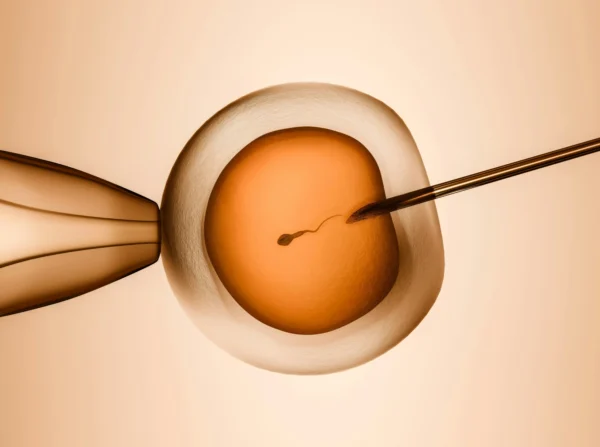
Only mature eggs, often called M2 eggs, are the eggs that can be frozen for future use. So when a clinic talks about a target number, it should be clear whether that target refers to total eggs retrieved or mature eggs frozen.
That distinction matters because a cycle that yields 15 retrieved eggs may not produce 15 mature eggs. For planning purposes, mature eggs are the number that counts.
What patients should expect from the process
If you are freezing eggs at a younger age, you may reach your target in one cycle. If you are starting later, you may need more than one cycle to bank enough mature eggs to feel comfortable.
That is not a failure. It is just how the math works.
Patients in their late 30s and older should be prepared for the possibility of multiple retrievals, especially if they want the option of more than one child. The goal is not to collect the highest number possible. The goal is to freeze enough eggs to match your family plan with the best odds available.
A realistic way to think about your target
A better question than “How many eggs should I freeze?” is “How many eggs do I need to freeze for the family I want?”
That answer depends on:
- Your age now
- Whether you want one child or more
- Your ovarian reserve markers
- How many cycles you are willing to do
- Whether you are trying to protect time while you are not ready to conceive
For many patients, the right approach is to set a target range, not a single hard number. That keeps the plan flexible while still giving you a meaningful goal.
What we tell patients at SCRC
The best egg freezing plan is the one that is honest about age, realistic about outcomes, and tailored to the person in front of us. If you are younger, you may have more room to bank fewer eggs and still feel confident. If you are older, you may need a more aggressive strategy because each egg carries more weight.
The most important thing is not to wait until the conversation feels urgent. Egg freezing is one of those decisions that rewards planning.
If you want the clearest answer possible, the next step is a fertility consultation with a personalized estimate based on your age, hormone testing, and goals. That is the only way to turn broad research into a plan that actually fits your body and your timeline.
Disclaimer: This article is for informational purposes only and does not constitute medical advice. Consult a board-certified Reproductive Endocrinologist for personalized guidance about your treatment.