Should I Start Fertility Treatment Before Year End to Use My FSA or HSA?
How FSA and HSA rules apply to fertility care, what the December 31 deadline really means, and how to decide whether to start now.
•
SCRC Editorial Team
•
6 min read
THE SHORT ANSWER
If you have a flexible spending account (FSA), yes, year end matters. Most FSAs are use-it-or-lose-it, and fertility treatment such as IVF, IUI, and egg freezing generally qualifies as an eligible expense. Health savings accounts (HSAs) work differently. HSA money rolls over from year to year, so there is no deadline pushing you to spend it by December 31.
Every fall, many patients notice a balance sitting in their FSA and wonder whether it makes sense to begin fertility care before the year closes. It can, but the answer depends on the type of account you have, the rules of your specific plan, and how much of your treatment can realistically happen before December 31.
This guide covers which fertility expenses qualify, what the FSA deadline actually requires, how FSAs and HSAs compare, and how to decide whether starting now fits your plans. Figures below reflect IRS limits for 2026.
ELIGIBILITY
Is Fertility Treatment FSA and HSA Eligible?
In most cases, yes. IRS guidance on qualified medical expenses includes procedures such as IVF, along with the temporary storage of eggs or sperm. FSAs and HSAs follow the same definition of a qualified medical expense, so fertility care that qualifies for one generally qualifies for the other. Your plan administrator has the final word on what it will reimburse.
Generally Eligible
- Fertility consultations and follow-up visits with a reproductive endocrinologist.
- Diagnostic testing such as bloodwork, ultrasounds, and semen analysis.
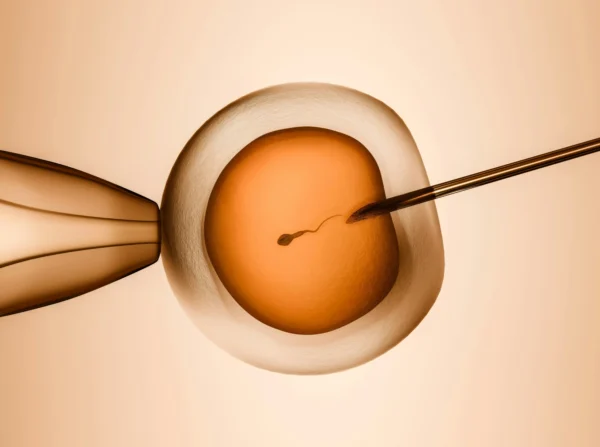
- IUI, IVF, and egg retrieval procedures.
- Egg freezing, embryo freezing, and temporary storage.
- Prescription fertility medications.
Typically Not Eligible or Worth Confirming First
- Payments made in advance for services you have not yet received.
- Medical expenses for a gestational carrier who is not your spouse or dependent.
- Supplements or vitamins without a documented medical need.
- Travel and lodging, which qualify only under specific IRS conditions.
- Long-term storage fees, which some administrators treat differently than temporary storage.
THE DEADLINE
What Before Year End Actually Means for an FSA
FSAs are built around a use-it-or-lose-it rule. Money you elect for the plan year generally needs to be spent on eligible expenses incurred during that year, or it is forfeited. For most employer plans, the plan year ends December 31.
Your plan may soften that deadline in one of two ways, but not both. Some plans allow a carryover, which for 2026 lets you roll up to $680 of unused funds into the next plan year. Others offer a grace period of up to two and a half months after the plan year ends to incur new expenses against the remaining balance. Some plans offer neither, so it is worth checking your plan documents.
Two details catch many patients off guard. First, FSA rules look at when a service is provided, not when you pay for it. Prepaying in December for a treatment that happens in January typically counts against next year, not this one. Second, many plans also have a claims run-out period after year end. That window lets you submit receipts for expenses already incurred. It does not extend the time to receive care.
SIDE BY SIDE
FSA vs HSA for Fertility Treatment Timing
| FSA | HSA | |
|---|---|---|
| Who can open one | Offered through an employer | Available with an HSA-qualified high-deductible health plan |
| 2026 contribution limit | $3,400 per employee | $4,400 self-only, $8,750 family, plus $1,000 catch-up at 55 or older |
| Year-end deadline | Yes. Unused funds are generally forfeited | No. Funds roll over indefinitely |
| Carryover or grace period | Up to $680 carryover or a grace period of up to 2.5 months, if the plan offers one | Not needed, since the full balance carries forward |
| Access to funds | Full annual election usually available at the start of the plan year | Only what has been contributed so far |
| If you change jobs | Usually stays with the employer | The account belongs to you |
| Fertility treatment eligible | Generally yes | Generally yes |
PLANNING YOUR TIMELINE
What You Can Realistically Pay For Before December 31
A full IVF cycle involves several weeks of testing, medication, monitoring, and a procedure, and a frozen embryo transfer may happen in a later month. Even so, many earlier steps can fit within a few weeks and use FSA funds that would otherwise go unspent.
1
An initial consultation
Meeting with a reproductive endocrinologist is often the first eligible expense and sets the timeline for everything else.
2
Diagnostic testing
Bloodwork such as AMH, a pelvic ultrasound, and a semen analysis are commonly completed within the first few weeks.
3
Prescription medications
Medications prescribed and dispensed before year end can generally be paid for with current-year FSA funds.
4
A monitored or IUI cycle
If testing is complete early enough, a medicated cycle with monitoring or an IUI may fit within the remaining weeks.
5
Egg retrieval, if timing allows
For patients who begin in early fall, an egg freezing or IVF retrieval may be possible before December 31, depending on cycle timing and scheduling.
THE DECISION
Should You Start Now or Wait?
Starting before year end tends to make the most sense if you already plan to pursue treatment in the near future, have an FSA balance that would otherwise be forfeited, and can realistically complete a consultation and testing before December 31. In that case, using current-year funds for early steps simply moves costs you would face anyway into a tax-advantaged window.
Waiting may make more sense if you are still deciding whether to pursue treatment, if your only account is an HSA, or if your plan offers a grace period that gives you extra time into the new year. An FSA deadline alone is not a reason to begin medical treatment before you are ready.
Fall is also open enrollment season for many employers. If you expect treatment next year, you can factor that into your 2027 FSA election. If your employer’s plan is fully insured and covers IVF under California’s SB 729, FSA or HSA funds can help pay your deductible and coinsurance. Self-funded employer plans are not required to follow SB 729, so confirm your coverage with your HR or benefits team.
USING YOUR ACCOUNT
How to Use Your FSA or HSA at SCRC
Before your first appointment, contact your benefits administrator to confirm which fertility services your plan reimburses and whether it offers a carryover or grace period. Ask whether they require any additional documentation for fertility expenses.
When you schedule with SCRC, let our team know you plan to use FSA or HSA funds. We can help you understand which services are likely to fall before year end and provide itemized receipts for reimbursement claims. Our financial team can also walk you through insurance benefits and available payment and financing options so your account funds fit into a complete plan.
QUESTIONS TO ASK YOUR BENEFITS ADMINISTRATOR
- Does my plan cover IVF, IUI, egg freezing, and fertility medications?
- When does my plan year end?
- Does my FSA offer a carryover, a grace period, or neither?
- How long do I have to submit claims after the plan year ends?
- Is embryo or egg storage reimbursable, and for how long?
- Do I need a letter of medical necessity for any fertility expenses?
COMMON QUESTIONS
Frequently Asked Questions
Generally, yes. IRS guidance treats procedures such as IVF, along with temporary storage of eggs or sperm, as qualified medical expenses, and FSAs and HSAs use that same standard. Individual plans may set their own documentation requirements, so confirm with your administrator before relying on your balance.
No. HSA funds roll over from year to year and stay with you if you change jobs or health plans. There is no December 31 deadline to spend an HSA balance, so timing fertility treatment around your HSA is a matter of personal planning, not urgency.
In most cases, yes. A consultation with a fertility specialist is a medical visit and is generally an eligible expense. A consultation is often the easiest way to begin using FSA funds before year end, since it can usually be scheduled quickly and sets the plan for testing and treatment.
It depends on your plan. With no carryover or grace period, unused funds are forfeited at the end of the plan year. For 2026, plans that offer a carryover can let you roll up to $680 into the next year. Plans with a grace period give up to two and a half extra months to use the balance.
FSA rules generally look at when each service is provided. Consultations, testing, medications, and procedures completed before year end can count toward this year, while steps that happen in January typically count toward next year, even if the cycle began in December or you paid in advance.
Generally, yes. FSA and HSA funds can typically be used for qualified medical expenses of a spouse or tax dependent, which can include fertility testing and treatment. Check your plan’s rules to confirm.
Sources
- FSA contribution limit ($3,400) and carryover limit ($680) for 2026: IRS Revenue Procedure 2025-32. https://www.irs.gov/pub/irs-drop/rp-25-32.pdf
- HSA contribution limits ($4,400 self-only, $8,750 family) for 2026: IRS Revenue Procedure 2025-19. https://www.irs.gov/pub/irs-drop/rp-25-19.pdf
- HSA catch-up contribution ($1,000 for age 55 and older): 26 U.S.C. § 223(b)(3). https://www.law.cornell.edu/uscode/text/26/223
- Fertility procedures as qualified medical expenses (IVF, including temporary storage of eggs or sperm): IRS Publication 502, Medical and Dental Expenses. https://www.irs.gov/publications/p502
- California SB 729 (fertility and IVF coverage): California Legislative Information. https://leginfo.legislature.ca.gov/faces/billNavClient.xhtml?bill_id=202320240SB729
This page is for general educational purposes only and is not tax, legal, or medical advice. FSA and HSA rules vary by plan and individual circumstances. Please consult a qualified tax professional and your plan administrator before making decisions about your account.
WHY PATIENTS CHOOSE SCRC
- A financial team that reviews insurance benefits, payment, and financing options with you.
- Board-certified reproductive endocrinologists who build a treatment timeline around your goals.
- IVF and egg freezing performed in our Beverly Hills ART laboratory.
- SART member clinic.
- Locations across Southern California.