What Are My Fertility Preservation Options Before Cancer Treatment in California?
Chemotherapy, radiation, and some surgeries can affect future fertility. Here is what you can do before treatment begins, how long each option takes, and what California law says about coverage.
•
SCRC Editorial Team
•
7 min read
A cancer diagnosis brings a long list of decisions, and they often arrive all at once. Fertility can feel like something to think about later. For many people, though, the window to protect future fertility narrows once chemotherapy, radiation, or certain surgeries begin.
Meeting with a fertility specialist before treatment starts keeps more options open, and in many cases it can happen without delaying cancer care. This guide covers the fertility preservation options available before cancer treatment, how long each one usually takes, what California law says about insurance coverage, and the questions worth asking your care team.
THE SHORT ANSWER
Before cancer treatment, patients in California can usually choose from several fertility preservation options, including egg freezing, embryo freezing, sperm banking, and ovarian or testicular tissue freezing. The right choice depends on your diagnosis, how soon treatment needs to begin, your age, and your oncologist’s guidance. Many California health plans are required to cover standard fertility preservation when a covered treatment may cause infertility, so it helps to contact your insurer early.
WHY IT MATTERS
How cancer treatment can affect fertility
Some chemotherapy drugs, particularly a group called alkylating agents, can damage eggs and reduce ovarian reserve. In men, chemotherapy can lower sperm production, sometimes temporarily and sometimes permanently. Radiation to the pelvis, abdomen, or brain can affect the ovaries, testes, uterus, or the hormone signals that regulate reproduction. Surgery that removes reproductive organs has a direct effect.
The level of risk varies widely. It depends on the specific drugs and doses, the radiation field, your age, and your fertility before diagnosis. Professional guidelines generally recommend that every patient of reproductive age hear about fertility preservation before treatment that could affect fertility, since predicting any one person’s outcome is difficult.
YOUR OPTIONS
Five fertility preservation options to discuss before treatment
Not every option fits every patient. Your diagnosis, timeline, age, and whether you have gone through puberty all shape which ones are realistic.
1
Egg freezing
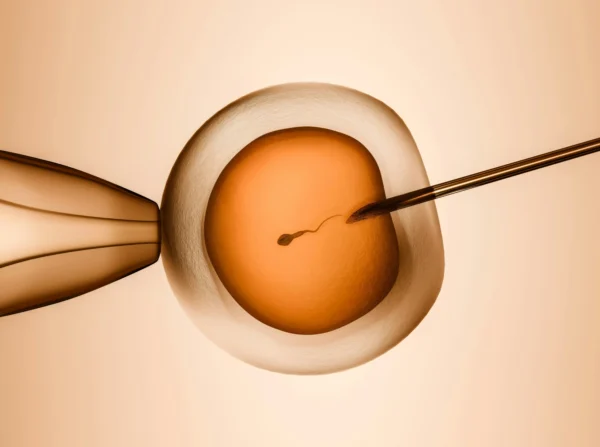
Egg freezing uses about 10 to 14 days of hormone injections to stimulate the ovaries, followed by a short outpatient retrieval under sedation. The eggs are vitrified (flash frozen) and stored. It can be a good fit for people who do not have a partner or sperm source in mind, or who want to keep that decision open. Random-start protocols allow stimulation to begin at almost any point in the menstrual cycle, which can save time.
Ask: “Can we use a random-start protocol so stimulation begins right away?”
2
Embryo freezing
Embryo freezing follows the same stimulation and retrieval process, but the eggs are fertilized with partner or donor sperm and the resulting embryos are frozen. Because it requires a decision about a sperm source now, it is worth discussing what would happen to stored embryos if circumstances change.
Ask: “Should I freeze eggs, embryos, or a combination of both given my situation?”
3
Sperm banking
Sperm banking involves collecting and freezing semen samples, often over one to a few days. Banking before the first round of chemotherapy is ideal. For patients who cannot provide a sample, a urologist may recommend testicular sperm extraction (TESE) or other retrieval methods. Teens who have gone through puberty can usually bank sperm.
Ask: “How many samples should I bank before my treatment start date?”
4
Ovarian tissue freezing
In a laparoscopic procedure, part or all of one ovary is removed and the outer layer, which holds immature eggs, is frozen for possible reimplantation later. It does not require hormone stimulation, so it can often be scheduled within days. It is also the established option for girls who have not gone through puberty. It may not be recommended for certain cancers that could be present in ovarian tissue.
Ask: “Is ovarian tissue freezing safe with my type of cancer?”
5
Testicular tissue freezing
For boys who have not yet gone through puberty and cannot produce sperm, some centers offer testicular tissue freezing. This approach is still considered experimental and is typically offered through research protocols at specialized programs.
OPTIONS COMPARED
How the options compare on timing
Use this as a starting point, then confirm the details with your oncologist and fertility specialist.
| Option | Typical time needed | Status |
|---|---|---|
| Egg freezing | About 2 weeks from start of stimulation | Established |
| Embryo freezing | About 2 weeks from start of stimulation | Established |
| Sperm banking | One to a few days | Established |
| Ovarian tissue freezing | Often within days, no stimulation needed | Established |
Ask: If your oncologist wants to start treatment within days, ask whether sperm banking or ovarian tissue freezing can fit inside that window.
OTHER APPROACHES
Other approaches your care team may discuss
These may be used alongside the options above, depending on your diagnosis and treatment plan.
- Ovarian suppression. GnRH agonist medication during chemotherapy may help lower the risk of early ovarian insufficiency for some patients, but it does not replace freezing eggs or embryos.
- Ovarian transposition. Before pelvic radiation, a surgeon can move the ovaries away from the radiation field to reduce exposure.
- Shielding. Protective shielding may limit radiation exposure to the testes or ovaries during treatment.
- Fertility-sparing surgery. For certain early-stage gynecologic cancers, surgery that preserves the uterus or an ovary may be an option.
TIMING
How long fertility preservation usually takes
The most common concern patients raise is delay. For many people, egg or embryo freezing can be completed in roughly two weeks from the start of stimulation. Sperm banking can often be done within one to a few days, and ovarian tissue freezing can be scheduled quickly because no stimulation is needed.
What matters most is how soon the referral happens. The earlier a fertility consultation takes place after diagnosis, the more options remain on the table. Some cancers require treatment to begin right away, and in those situations your oncologist and fertility specialist decide together what is realistic.
For people with hormone-sensitive cancers such as some breast cancers, fertility specialists often use stimulation protocols that add letrozole to help keep estrogen levels lower. Your oncologist and fertility doctor should agree on the plan before any medication starts.
INSURANCE COVERAGE
What California law says about coverage
In 2019, California passed Senate Bill 600. The law clarifies that when a covered treatment may directly or indirectly cause infertility, standard fertility preservation services count as a basic health care service for state-regulated health plans. “Standard” services are defined by guidelines from the American Society of Clinical Oncology and the American Society for Reproductive Medicine.
There are limits worth knowing. SB 600 does not apply to Medi-Cal, and self-funded employer plans regulated under federal law are generally not subject to state mandates. Coverage for long-term storage and for later use of frozen eggs, sperm, or embryos may differ from coverage for the preservation procedure itself.
Ask your HR: “Is fertility preservation before my cancer treatment covered, does it need preauthorization, and are storage fees included?”
QUESTIONS TO ASK YOUR CARE TEAM
Questions to ask before treatment starts
Bring this list to your oncology and fertility appointments. Clear, specific answers help you decide quickly and with confidence.
- How likely is my treatment plan to affect my fertility?
- How much time do I have before treatment needs to begin?
- Which fertility preservation options fit my diagnosis and timeline?
- Is it safe for me to take fertility medications with my type of cancer?
- Will my insurance cover preservation, and what about storage fees?
- Can my fertility team and oncology team communicate directly?
WARNING SIGNS
Gaps to watch for in a fertility preservation program
Any of these can cost you time you may not have.
- Waits of several weeks for a first appointment after a cancer diagnosis
- No direct line of communication with your cancer care team
- Pressure to decide quickly without a clear explanation of tradeoffs
- Unclear pricing for storage and future use of frozen eggs, sperm, or embryos
- Standard stimulation protocols that do not account for your diagnosis
COMMON QUESTIONS
Frequently asked questions
For many patients, preservation can be completed in about two weeks or less, often within the time already needed for staging and treatment planning. Your oncologist and fertility specialist can tell you whether a short window fits your situation.
Many patients with breast cancer freeze eggs or embryos using protocols designed to keep estrogen levels lower. Research generally suggests these approaches have not been linked to worse cancer outcomes, but the decision should be made individually with your oncologist.
Sometimes. Options may be more limited, and eggs or sperm collected during treatment may carry a higher risk of DNA damage. A fertility specialist can review what remains possible, including after treatment ends.
Frozen eggs, sperm, and embryos can be stored for many years, and research has not shown that quality declines with storage time when they are properly frozen. Storage fees are usually billed on an ongoing basis.
Teens who have gone through puberty can typically bank sperm or freeze eggs. Girls who have not reached puberty may be candidates for ovarian tissue freezing, and boys may be able to join research programs offering testicular tissue freezing.
Under SB 600, many state-regulated health plans must cover standard fertility preservation when a covered treatment may cause infertility. Medi-Cal and many self-funded employer plans are not included, so confirm your benefits directly with your insurer.
HOW SCRC SUPPORTS PATIENTS BEFORE CANCER TREATMENT
SOUTHERN CALIFORNIA REPRODUCTIVE CENTER
Fertility preservation coordinated with your cancer care
For newly diagnosed patients, SCRC works with your oncologist to establish a fertility preservation timeline whenever possible, so protecting your future fertility fits around your treatment plan.
- Oncologist coordination. SCRC partners with your oncology team to plan preservation around your treatment start date.
- LIVESTRONG Fertility Program Partner. SCRC offers discounted fertility services to cancer patients before treatment through this program.
- Cancer Warriors Foundation partnership. SCRC works with Cancer Warriors to help young women with gynecologic cancers access fertility care.
- SART member clinic. SCRC reports outcomes to the Society for Assisted Reproductive Technology and operates an ART laboratory in Beverly Hills.
- Support after treatment. For survivors, SCRC offers fertility testing to help you understand where things stand once treatment ends.
Disclaimer: This article is for informational purposes only and does not constitute medical, legal, or insurance advice. Fertility preservation decisions should be made with your oncologist and a board-certified Reproductive Endocrinologist based on your diagnosis and treatment plan. Insurance coverage varies by plan, so confirm your benefits directly with your insurer. Fertility preservation does not guarantee a future pregnancy.